Nature-Based Education
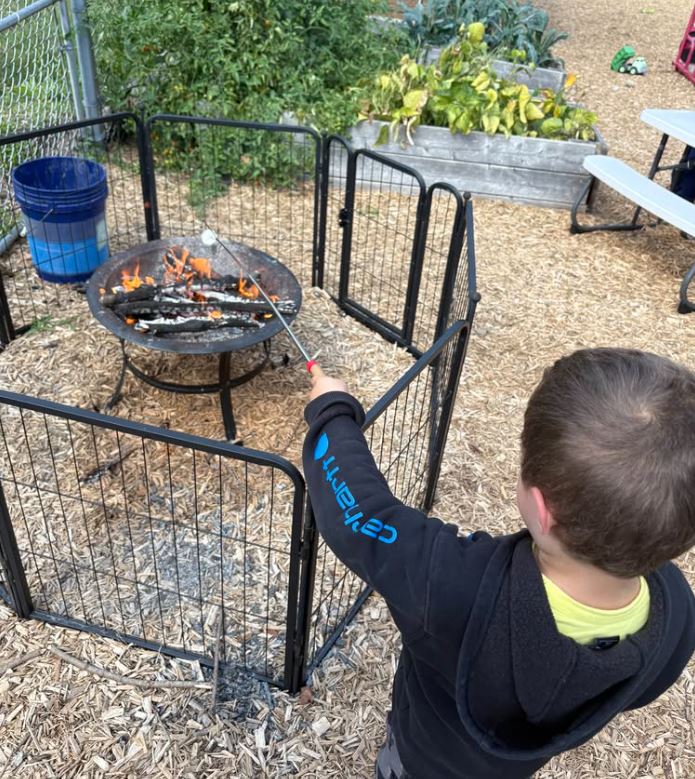
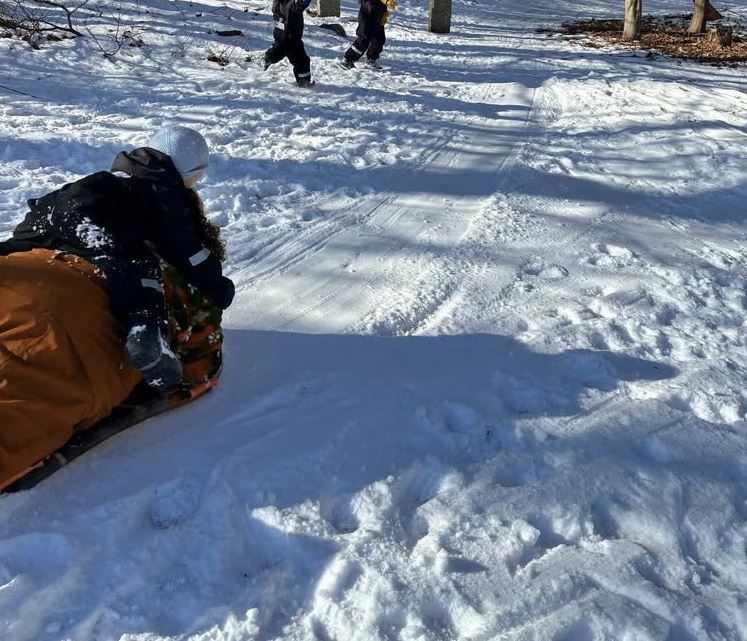
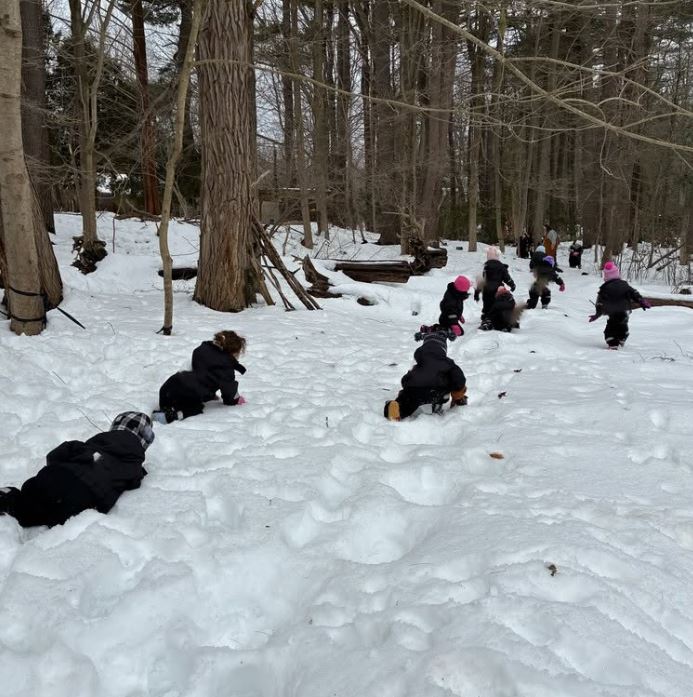
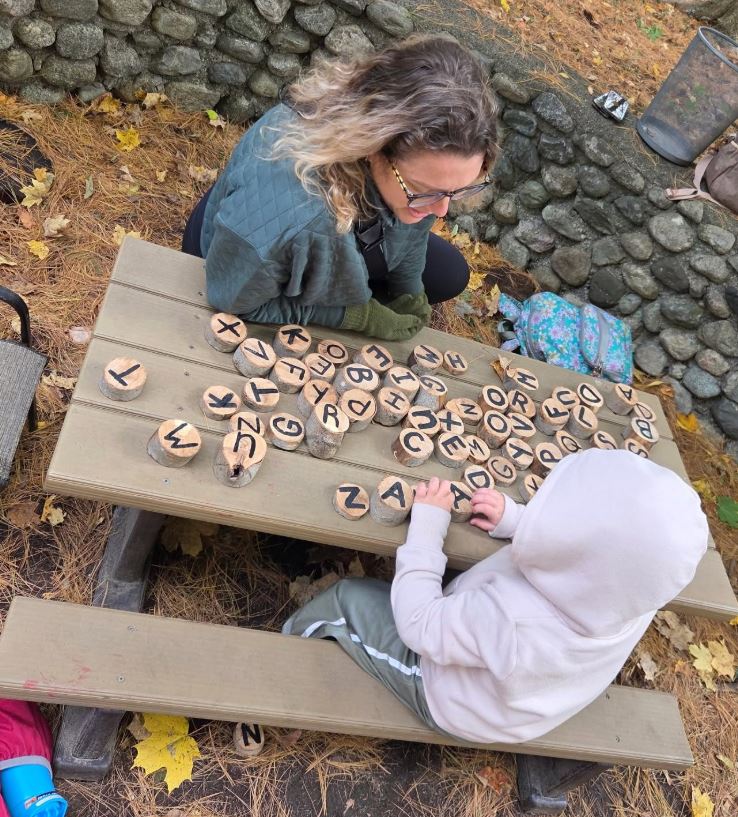
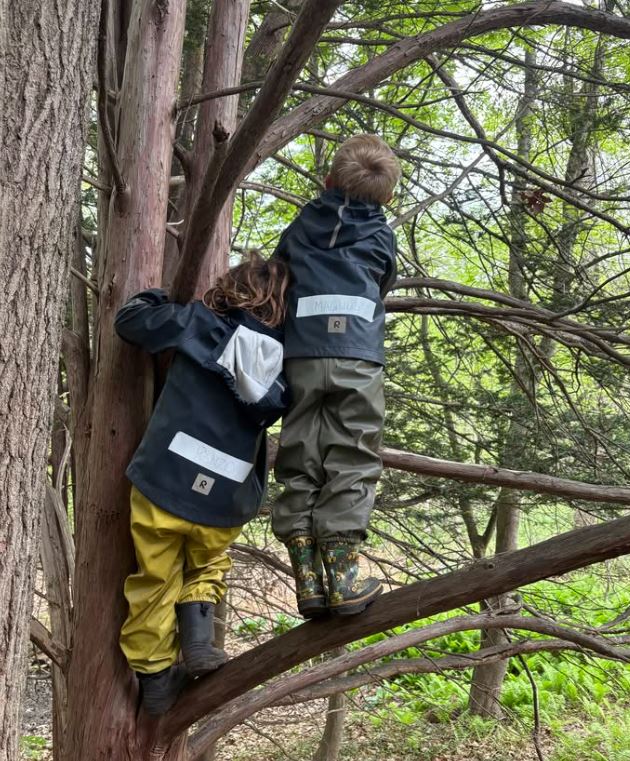
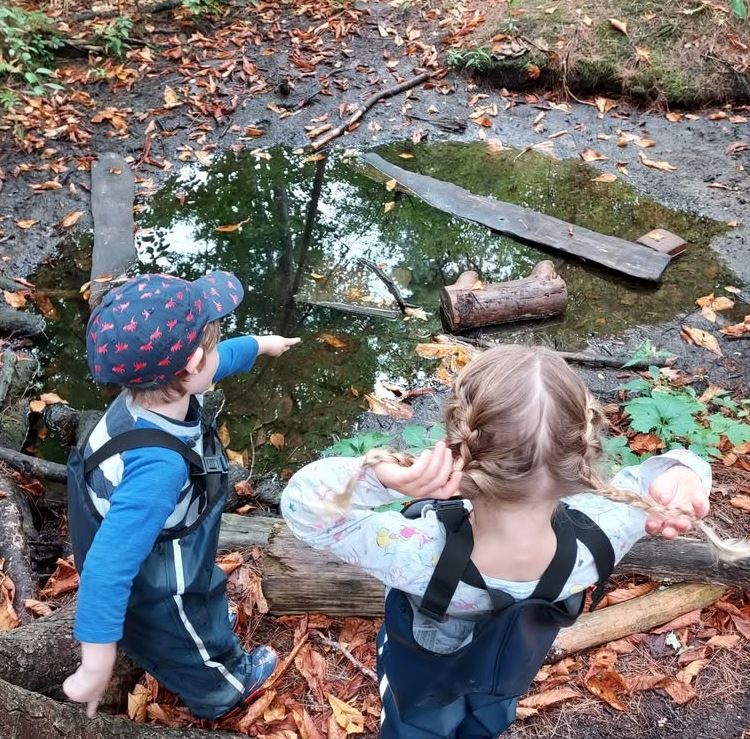
At FCNS, we nurture early childhood development through play-based, developmentally appropriate learning rooted in nature. Children build environmental awareness and a sense of connection to the natural world through hands-on exploration, outdoor learning, and child-led discovery. We spend the majority of each day outside, where children engage in instructional activities, free play, and investigations while developing confidence, curiosity, and healthy risk-taking skills in a supportive environment.
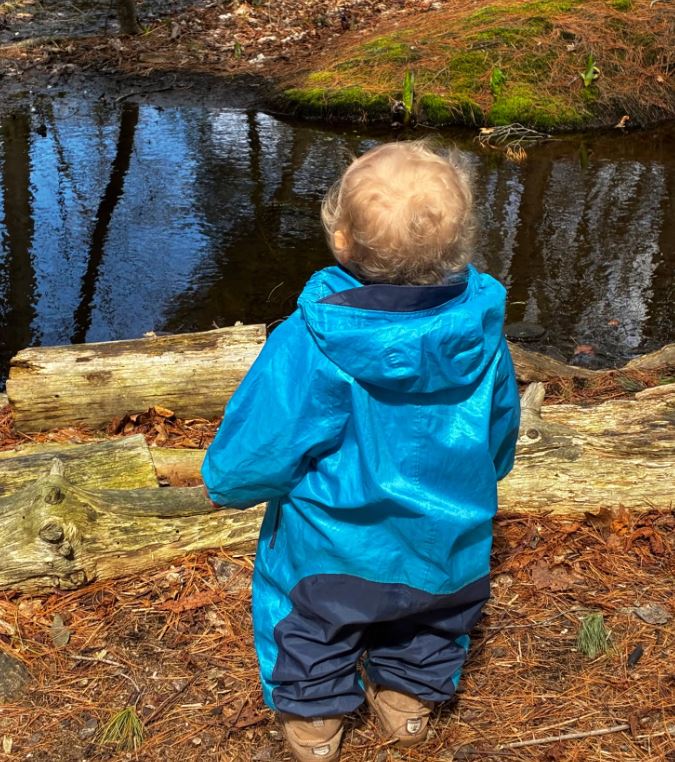
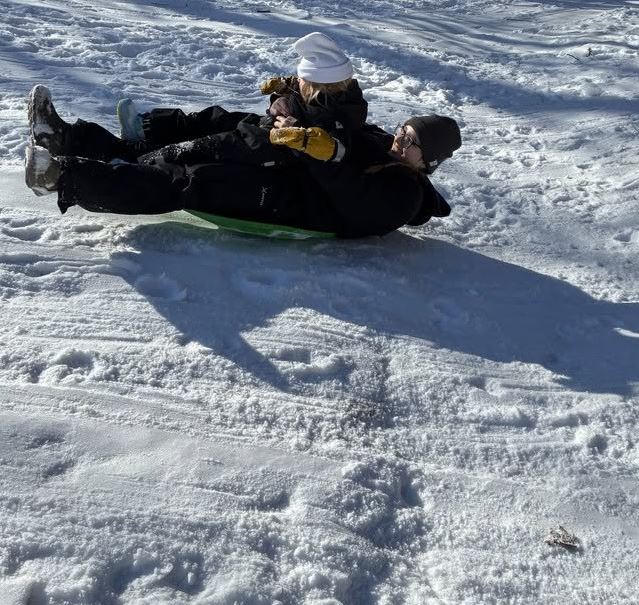
Connecting Children With Nature
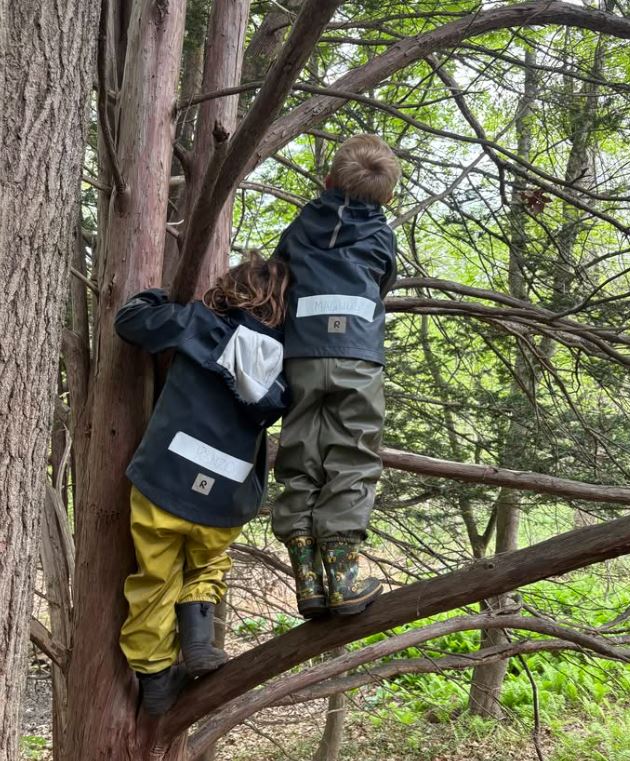
At Framingham Centre Nursery School, we believe children learn best through exploration, play, and meaningful experiences in nature. Outdoor play builds confidence, encourages healthy risk-taking, strengthens fine and gross motor skills, and inspires curiosity—giving children the freedom to learn, discover, and grow.
Build Confidence
The way that kids play in nature has a lot less structure than most types of indoor play.
Positive Feelings
Children who play in nature have more positive feelings about each other.
Self-Awareness
Children learn about self and the environment.
Creativity
Nature-based promotes creativity and imagination.
Why Nature Matters
Research shows that time spent learning and playing in nature supports children’s development in meaningful ways. Natural environments invite children to move, imagine, experiment, problem-solve, and connect with one another.
Outdoor and nature-based play can help children:
- Build creativity and imagination through open-ended play and exploration.
- Develop stronger bodies through climbing, balancing, running, digging, and other active play.
- Build confidence and resilience as they encounter challenges, assess risks, and discover what they are capable of.
- Strengthen social and language skills through collaborative, imaginative play.
- Support emotional well-being by providing space to move, explore, and connect with the natural world.
At FCNS, these benefits are part of why nature isn’t simply a place we visit – it’s an important part of how our children learn. Learn more: Benefits of Engaging Children with Nature
Risk versus Hazard
A hazard is a danger a child cannot recognize or anticipate. A risk is a challenge a child can see, assess, and choose whether to take.
By providing opportunities for thoughtful, age-appropriate risk-taking, children learn to assess their abilities, make decisions, build confidence, and develop the skills to navigate challenges safely.